Three Practical Options
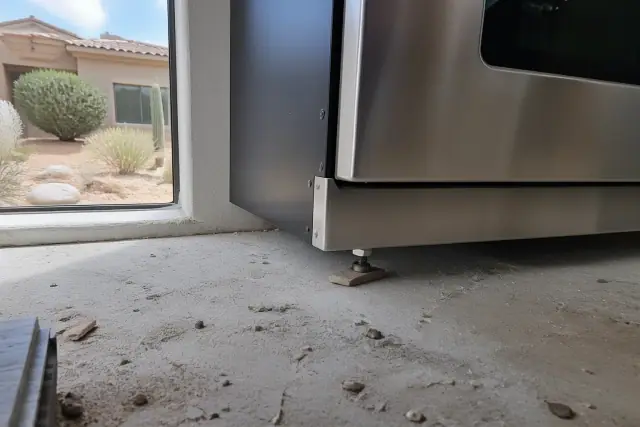
Start by stabilizing a small crack with clear epoxy or color-matched filler. For a permanent visual match, search manufacturer lot numbers, tile distributor remnants, and salvage inventory; if that fails, relocate an intact tile from a closet or beneath an appliance and use the substitute in the hidden spot.
Factors That Change the Answer
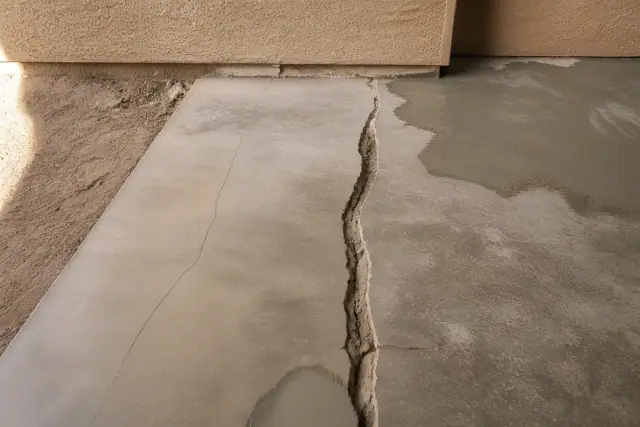
Ceramic, porcelain, and natural stone accept different fillers, and a surface chip needs a different response than a crack through the tile body. Wet areas require waterproof repair materials, while flexing, lippage, or several adjacent cracks point to slab, foundation, or subfloor movement that should be corrected first. Phoenix's expansive clay soil and summer heat cycles above 110°F can accelerate cracking on uncoupled slab-on-grade floors, especially in Valley homes built before the 1990s. Tiles set tightly without the 1/16-inch spacing noted in current TCNA Handbook guidance also have less room for thermal expansion.
Common Follow-Up Questions
Can a cracked tile be patched? Yes, when the damage is a stable cosmetic chip or hairline crack; a full-depth crack, movement underfoot, or damage spanning several tiles calls for replacement and cause correction. What changes in a shower? The waterproofing membrane should be checked before resetting the tile, and materials must be rated for repeated moisture exposure. Will homeowners insurance pay? Coverage usually depends on a covered peril such as a burst pipe or storm impact, while gradual wear, thermal expansion, and foundation settlement are generally treated as maintenance issues; confirm the policy details with the adjuster before filing.