Proudly serving Phoenix, Scottsdale, Mesa, Chandler, Glendale, Gilbert & surrounding areasCall or Text 24/7: 602-449-9183
Aerial view of suburban homes, desert vegetation, and distant mountains in Phoenix, AZ.

Shower Tile Installation and Dustless Removal Services in Glendale, AZ

Phoenix Tile Flooring provides shower tile installation, bathroom tile installation, and kitchen backsplash installation for homes and businesses in Glendale, Arizona. We also handle tile repair and replacement, dustless tile removal, grout repair, natural stone, large format tile, patio tile, and commercial tile. Each wet-area project is planned around waterproofing, drainage, substrate, and material requirements. Clients can request a free tile quote before choosing a design or scope.

Glendale's hard water can leave mineral scale on shower glass and grout lines, while the desert climate shifts from low humidity to monsoon moisture. Those conditions change how thinset, grout, and sealants should be mixed and cured. Poor waterproofing or pan slope can allow tile to fail within a few years instead of serving for decades. Our crews inspect hidden conditions and build each assembly for its material, surface, and exposure.

Service extends from Historic Catlin Court and Sahuaro Ranch to Arrowhead Towne Center and the Westgate Entertainment District, as well as Peoria, Surprise, Litchfield Park, and west Phoenix.

★ ★ ★ ★ ★4.9/5.0 Customer Rating - 26 Years of Tile & Flooring Experience - Thousands of Projects Completed - Licensed, Bonded & Insured - Serving Homeowners & Businesses
Installation Services

Tile Installation Services in Glendale, AZ

Glendale's population exceeds 248,325 across older ranch homes, mid-2000s subdivisions, newer builds near Loop 101, and busy commercial districts. The services below cover wet areas, living spaces, patios, repairs, and removal for that varied property mix. For tile planning elsewhere in the Valley, see our location information for Gilbert, AZ .

Shower Tile Installation

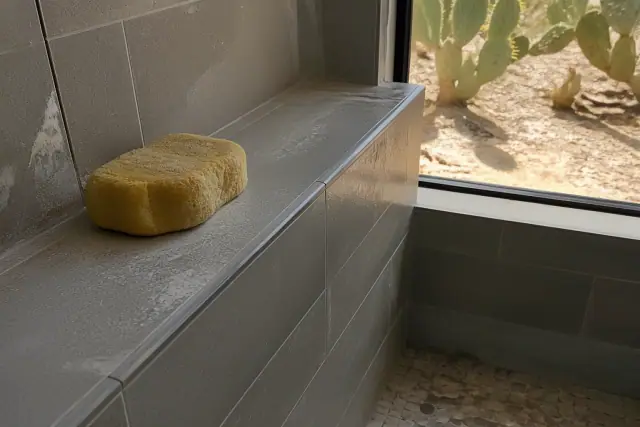
A damp sponge cleaning excess mortar from newly installed shower tiles in a Glendale, AZ bathroom.

Ceramic, porcelain, mosaic, and glass tile are set over Schluter or equivalent bonded waterproofing assemblies that meet ANSI A118.10. Each shower includes a properly sloped pan, pre-slope mortar bed, framed niches as planned, and membrane inspection before tile covers the assembly.

Explore Service

Bathroom Tile Installation

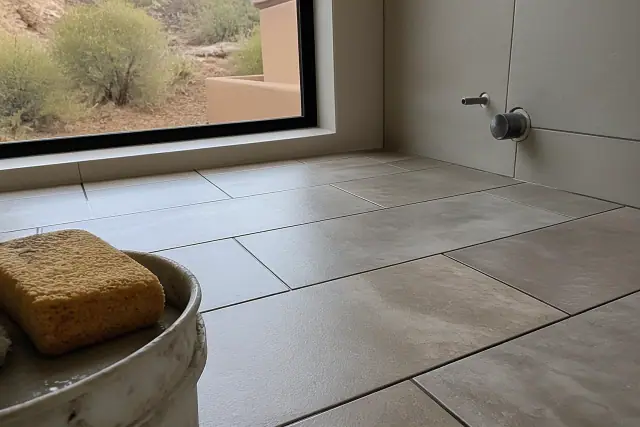
Close-up of fresh grout lines between new stone floor tiles in a Glendale, AZ bathroom.

Bathroom service includes floors, tub surrounds, accent walls, and full remodel tile. Moisture-rated substrates and expansion joints placed according to Tile Council of North America guidelines help protect tile as Arizona slabs move with seasonal heat.

Explore Service

Kitchen Backsplash Installation

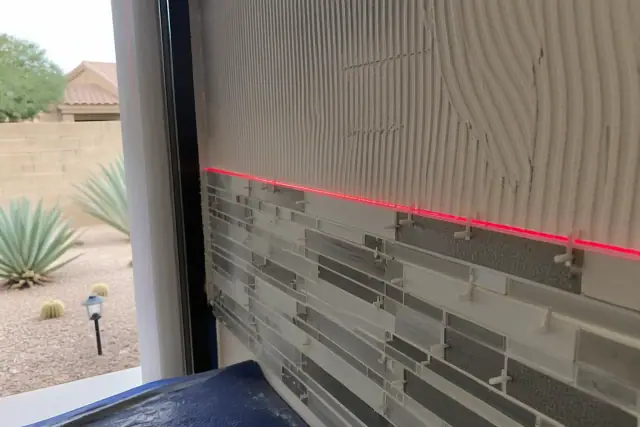
Laser level beam across partially installed mosaic kitchen backsplash tiles at a home in Glendale, AZ.

Ceramic, glass, and mosaic backsplash tile can cover range walls, sink areas, and full kitchen runs. Grease-resistant grout and sealed perimeter edges provide a durable finish for daily cooking, steam, and cleaning.

Explore Service

Tile Repair & Replacement

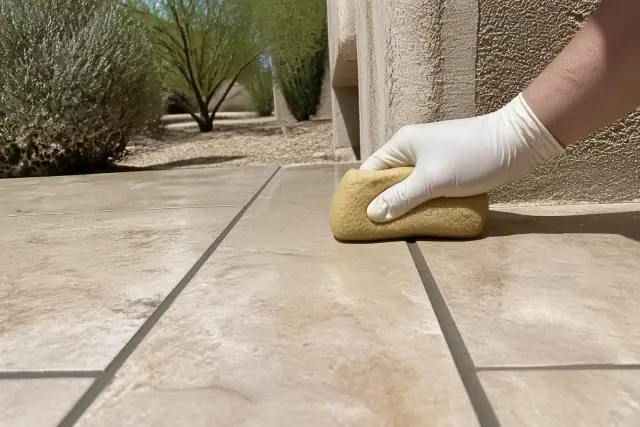
Gloved hand using a damp sponge to clean grout from new tile flooring during a repair project in Glendale, AZ.

Cracked tile, hollow-sounding sections, and lippage can often be repaired or replaced without redoing an entire floor. Existing grout color and pattern are matched where the original material remains available.

Dustless Tile Removal

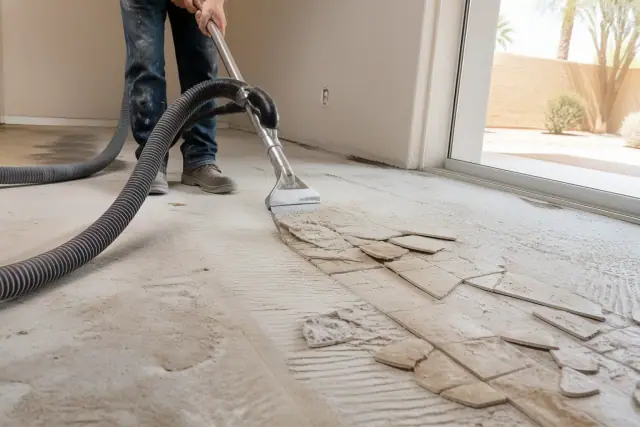
Dustless tile floor removal using an industrial vacuum scraper in a residential home in Glendale, AZ.

HEPA-filtered vacuum extraction captures demolition dust as tile is removed. This approach protects indoor air quality and reduces the cleanup burden compared with standard demolition.

Grout Repair & Regrouting

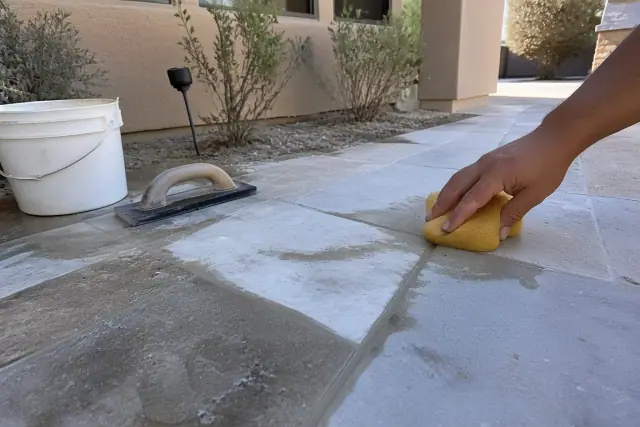
Close-up of a damp sponge wiping excess grout from between newly installed floor tiles at a home in Glendale, AZ.

Cracked, crumbling, or discolored grout can be removed and replaced with epoxy or sanded grout selected for the application. Epoxy grout is often considered for Glendale showers because hard water accelerates mineral buildup along grout lines.

Natural Stone Tile Installation

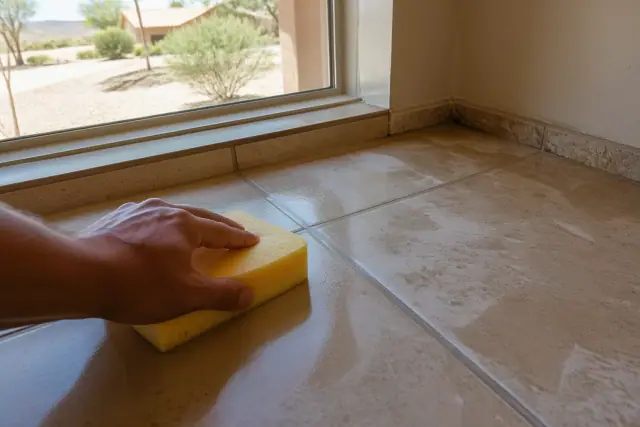
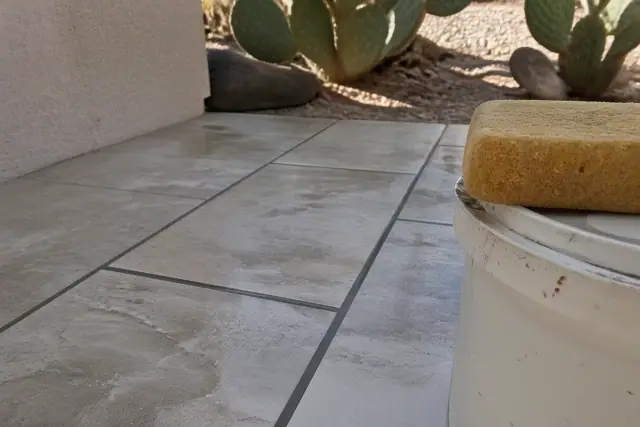
Damp sponge wiping fresh grout from stone tile flooring at a construction site in Glendale, AZ.

Slate, marble, travertine, and limestone require setting and sealing methods suited to each stone's porosity. A shower, entryway, and backsplash expose stone to different moisture and maintenance conditions, so the finish is planned for its location.

Large Format Tile Installation

Large-format tiles with leveling clips and orange wedges installed on a concrete floor in Glendale, AZ.

Large format porcelain and stone need substrates flat within 1/8 inch over 10 feet under ANSI A108 tolerances. Large-format notched trowels and back-buttering help prevent hollow spots beneath broad tile faces.

Outdoor & Patio Tile Installation

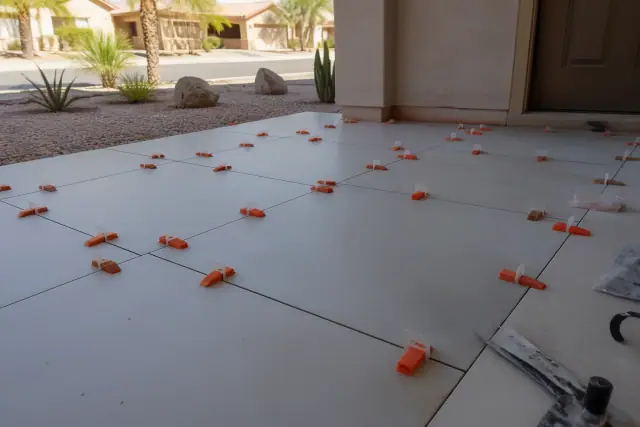
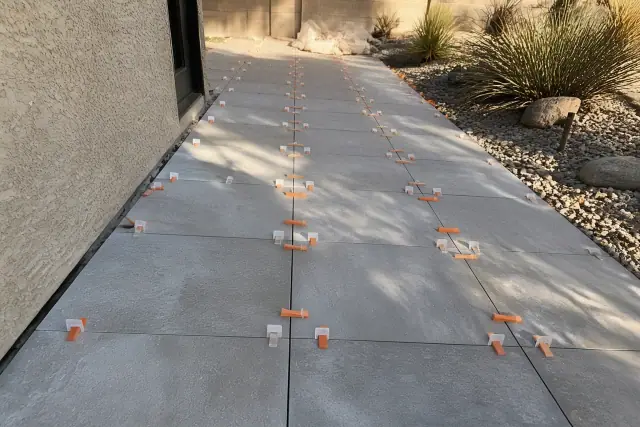
Outdoor tile installation with leveling clips and wedges on a patio in Glendale, AZ.

Exterior-rated porcelain and natural stone are selected for UV stability and slip resistance on covered patios and pool decks. Dark tile surfaces can exceed 150 degrees in July, making thermal expansion and material choice more important than freeze-thaw exposure in Glendale.

Commercial Tile Installation

Newly installed porcelain floor tiles with fresh grout lines at a job site in Glendale, AZ.

Retail, office, and restaurant tile is planned for high foot traffic with commercial-grade porcelain and setting materials. Installation follows the applicable ANSI A108 requirements for public-space tile work.

Tile Planning

How to Choose Tile Services in Glendale

The right tile plan depends on where the surface sits, how much water or heat it receives, and what lies beneath the finish. Comparing waterproofing, substrate preparation, material porosity, grout, removal method, and project scope helps prevent a good-looking design from concealing a weak assembly.

Bonded Waterproofing System

Choose a shower assembly with a bonded membrane, correctly sloped pan, and inspection before tile is set. Properly installed ceramic or porcelain showers can last 40 to 80 years, while grout typically needs attention every 8 to 15 years.

Surface-Specific Tile Materials

Ceramic, porcelain, mosaic, glass, and natural stone perform differently by location. Small mosaic tile follows a shower-pan slope, larger formats suit many tub surrounds and walls, and porous stone needs sealing appropriate to its exposure.

Flat, Movement-Ready Substrates

A flat, moisture-rated base matters before layout begins, especially for large format tile. Expansion joints placed under TCNA guidance help accommodate seasonal slab movement instead of transferring stress into the finished surface.

Hard-Water Grout Selection

Glendale's mineral-heavy water can accelerate scale on grout and shower glass. Epoxy or sanded grout should be selected for the specific joint, exposure, and maintenance needs rather than treated as an interchangeable finishing detail.

HEPA Dustless Removal

For replacement work, ask how demolition dust will be controlled before the first tile is lifted. HEPA-filtered vacuum extraction captures dust at the removal point and shortens the cleanup needed inside occupied homes and businesses.

Clear Scope and Schedule

A useful quote identifies tile material, square footage, waterproofing needs, demolition, layout details, and cure-time expectations. Phoenix Tile Flooring provides a free, itemized quote so project-cost drivers are clear before work begins.

Glendale Tile Issues

Common Tile Problems in Glendale Homes

Tile failures often begin beneath the visible surface: an omitted membrane, an uneven substrate, trapped water, or materials cured too quickly in dry heat. Recognizing the symptom helps determine whether a focused repair, regrouting, or a full wet-area rebuild is appropriate.

Request Tile Quote

Failed Shower Waterproofing

A missing or poorly joined bonded membrane lets water reach framing and subfloor where damage stays hidden. Soft drywall, mold, or leaking below the bathroom may not appear until long after the tile surface was finished.

Poor Shower-Pan Drainage

An incorrect pan slope leaves standing water and soap film instead of guiding moisture to the drain. A pre-slope mortar bed, continuous membrane, and flood test address drainage before the tile conceals the pan.

Cracked, Hollow or Uneven Tile

Cracks, a hollow sound when tapped, and raised tile edges can point to substrate movement or incomplete mortar coverage. When matching material is available, isolated damage may be repaired without replacing an entire floor.

Hard-Water Scale on Grout

Water supplied through the Salt River Project and Central Arizona Project is mineral-heavy, so scale can collect quickly on grout and shower glass. Discolored or deteriorated joints may need full removal and replacement rather than another surface cleaning.

Heat-Stressed Grout Curing

Low humidity and hot walls can pull moisture from grout too quickly, contributing to premature cracking when crews do not adjust mixing and working pace. Monsoon season, typically July through September, creates the opposite humidity swing and changes grout and sealant cure times again.

Crumbling Grout and Aging Caulk

Cracked grout, failing caulk, and discoloration allow moisture to linger at seams and corners. Regrouting or replacing an aging fiberglass surround with a properly waterproofed tile assembly can address recurring caulk and mold concerns at their source.

Why Choose Us

Why Choose Phoenix Tile Flooring in Glendale?

Wet-area tile depends on work that becomes invisible once the finish is installed. Phoenix Tile Flooring combines accountable contractor credentials, methods adjusted to Glendale's climate, and documented checks before critical layers are covered.

Licensed, Bonded and Insured

The crew works under an Arizona Registrar of Contractors license, and each job is bonded and insured before demolition begins. Arizona ROC oversight creates an accountability structure for installation work, while liability coverage protects the property during the project.

Desert-Climate Installation

Mix ratios, working time, and pacing are adjusted as Glendale moves between bone-dry heat and monsoon humidity. Exterior specifications emphasize UV stability, slip resistance, and thermal expansion, while showers receive grout choices suited to mineral-heavy water.

Permit and Inspection Accountability

Projects that relocate plumbing, alter the shower-pan footprint, or add electrical work are checked against City of Glendale Building Safety Division requirements. Framing, membranes, pans, and drain-line work are reviewed before finishes make those details difficult to inspect.

Simple Process

Our Shower Tile Installation Process in Glendale

A standard shower installation usually takes three to five working days from demolition through final grout cure. Large format tile or natural stone can add a day or two because additional cure time may be needed between steps.

01.

Plan the Layout and Quote

The project begins with tile choice, scope, measurements, niche or bench placement, and a free itemized quote. Layout is planned before demolition so visible seams and cut tiles land in deliberate positions.

02.

Complete Dustless Demolition

The old surround is removed with HEPA-filtered dust extraction. Once the finish is open, the framing and subfloor are inspected for hidden water damage before new construction continues.

03.

Frame and Build the Pre-Slope

Damaged framing is addressed, planned niches are framed, and the pre-slope mortar bed is formed to direct water toward the drain. This establishes the pan geometry before the waterproof layer is installed.

04.

Waterproof and Flood-Test

Cement backer board or a foam wet-area panel receives a liquid or sheet membrane across seams, corners, and fasteners. The shower pan is flood-tested to confirm it holds water before any tile conceals the assembly.

05.

Dry-Layout and Set Tile

Tile is dry-laid to coordinate cuts, grout lines, and niche placement. The crew then sets it with the mortar suited to the material, such as modified mortar for porcelain or a specialty mortar for natural stone.

06.

Grout, Seal and Cure

Grout is applied after the mortar reaches its required cure, then natural stone or textured tile is sealed when the material calls for it. Final cure time is protected before the shower returns to use.

Project Applications

Tile Solutions for Glendale Homes & Businesses

Case Study 1: Aging shower insert conversion: Many Glendale bathrooms built from the 1980s through the early 2000s have fiberglass inserts failing at seams. A tiled replacement pairs the new finish with a bonded membrane and correctly sloped pan.

Case Study 2: Hard-water shower renewal: Crumbling or discolored grout can be removed and replaced with a grout selected for mineral-heavy water, while loose or damaged tile is repaired where matching material is available.

Case Study 3: Commercial and patio surfaces: High-traffic interiors use commercial-grade porcelain and setting materials, while patios and pool decks prioritize exterior ratings, UV stability, and slip resistance.

Plan Your Tile Project

Schedule a Glendale
Tile
Consultation

Discuss tile material, layout, waterproofing, demolition, and the condition of the existing surface before committing to a remodel. Phoenix Tile Flooring will prepare a free tile quote that explains the scope and the factors shaping project cost.

Glendale Tile Help

FAQs About Shower Tile Installation in Glendale, AZ

These answers cover shower tile pricing, permits, waterproofing, materials, installation timing, repairs, and Glendale service coverage. A project-specific quote can account for the existing substrate, tile choice, layout, and any hidden water damage.

Call Phoenix Tile Flooring

A full shower tile project typically runs $1,800 to $5,000 depending on shower size, tile grade, and whether waterproofing must be rebuilt. Labor generally runs $4 to $14 per square foot, with $7 per square foot as a common Phoenix-metro average. National data places bathroom ceramic tile installation at $17.22 to $21.37 per square foot and average bathroom tile project totals at roughly $1,065 to $3,483.

The City of Glendale Building Safety Division requires a permit when a remodel relocates plumbing fixtures, changes the shower-pan footprint, or includes related electrical work. Straight tile replacement on an existing layout generally does not require one when plumbing and structural elements remain unchanged. Projects involving drain lines or framing are checked with the city before work begins.

Frequent mistakes include skipping the bonded waterproofing membrane, forming the wrong pan slope, using standard drywall in a wet area, and grouting before the mortar has cured. These errors may appear later as standing water, mold, soft drywall, or leaks below the bathroom. Flood-testing the pan before tile is set helps reveal waterproofing failures while they are still accessible.

Wet walls need cement backer board or a foam waterproofing panel rather than standard drywall or green board alone. A liquid or sheet membrane then covers seams, corners, and fastener points. For a tub surround, the waterproofed assembly extends at least a few inches above the showerhead under the referenced TCNA recommendations.

Correctly installed ceramic and porcelain showers can last 40 to 80 years when the substrate, pan, membrane, and drainage are sound. Grout is a maintenance component and typically needs attention every 8 to 15 years even when the underlying tile assembly remains serviceable.

Most standard shower installations take three to five working days from demolition through final grout cure. Large format tile and natural stone can add a day or two because those materials may require extra cure time between installation steps.

Mosaic sheets and small-format tile create more grout joints for traction and conform more easily to the pan's slope toward the drain. Large tile would otherwise need awkward wedge cuts to follow the same drainage geometry.

A flood test holds water in the completed shower pan before tile is installed. It verifies that the membrane and drain connections contain water without leaking, allowing corrections while the waterproofing is still visible.

Mineral-heavy water drawn through the Salt River Project and Central Arizona Project can leave scale on grout lines and shower glass faster than soft water. Epoxy grout is considered more often for Glendale showers, though the final grout still needs to match the joint and tile application.

Large format porcelain and stone require a carefully flattened substrate, a suitable large-format notched trowel, and back-buttering for consistent mortar coverage. Those steps reduce lippage and hollow spots that become more visible or vulnerable across a broad tile face.

Dustless removal pairs demolition equipment with HEPA-filtered vacuum extraction at the work area. The system captures airborne material during removal, helping protect indoor air quality and reducing cleanup compared with standard demolition.

Exterior-rated porcelain and suitable natural stone can be used when the specification accounts for UV stability, slip resistance, and thermal expansion. Freeze-thaw exposure is less important in Glendale than intense sun and hot surface temperatures.

Slate, marble, travertine, and limestone have different porosity, so sealing is selected for the stone and its exposure. A shower or entryway usually presents different moisture and maintenance demands than glazed porcelain.

Service covers Glendale from Historic Catlin Court, Sahuaro Ranch, and Westgate to the Arrowhead area and developments north of Loop 101. The crew also works in Peoria, Surprise, Litchfield Park, and west Phoenix neighborhoods near Bell Road, Camelback Road, and 67th Avenue.

Cracked, hollow-sounding, or uneven tile can sometimes be repaired or replaced in a focused area. A close match depends on whether the original tile and grout color are still available and whether the substrate beneath the damage remains sound.